Subaru Forester 2026 : Subaru’s iconic Forester returns for 2026 with fresh updates that keep it at the top of the compact SUV pack in the USA.
Built right here in Indiana, this model blends everyday reliability with new hybrid muscle and off-road grit, drawing rave reviews from drivers testing it in real-world conditions.
Production Milestone in the Heartland
Subaru of Indiana Automotive kicked off 2026 Forester production last fall, starting with gas versions and rolling out the first U.S.-made hybrid just weeks ago.
The debut hybrid rolled off the line in Autumn Green Metallic Premium trim, marking a huge step after five years of prep work by plant teams.
President Scott Brand called it a team triumph, emphasizing how every Forester sold stateside now gets assembled domestically.
Reviewers on YouTube wasted no time hitting the trails, praising the seamless shift to American manufacturing without skimping on Subaru’s legendary build quality.
Gas models hit lots first back in October 2025, giving buyers a head start on winter drives. Early testers noted the familiar boxer rumble feels even smoother now, thanks to tweaks in the chassis for quieter cabins and tighter handling.
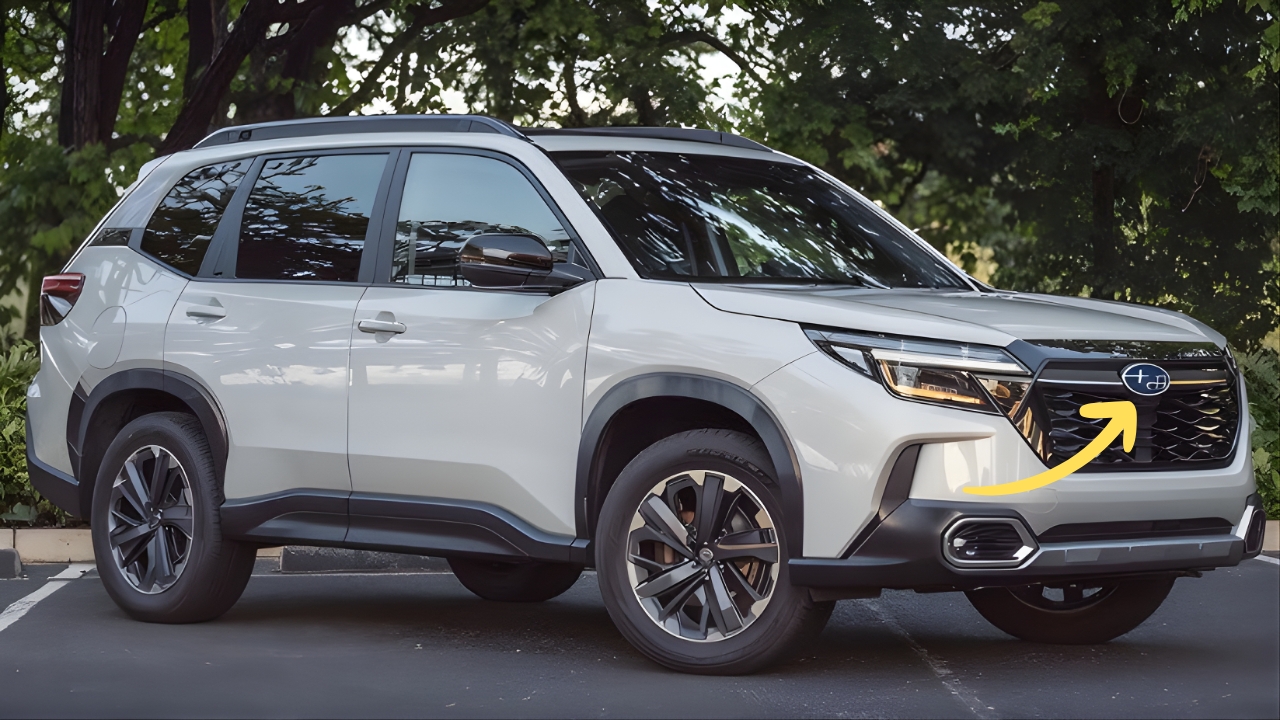
Powertrain Evolution: Gas, Hybrid, and Wilderness Muscle
Under the hood, the standard 2.5-liter flat-four boxer engine pumps out 180 horsepower at 5,800 rpm and 178 lb-ft at 3,700 rpm, paired with an eight-speed Lineartronic CVT.
YouTubers clocked the base model at about 9.4 seconds to 60 mph, calling it plenty peppy for merging or passing on highways.
Fuel economy lands at 26 city/33 highway/29 combined mpg for gas versions, stretching that 16.6-gallon tank toward 550 miles on open roads. Off-road fans love how Symmetrical All-Wheel Drive grips without drama, even on stock tires.
The real buzz swirls around the hybrid, blending a 2.5-liter boxer with electric assist for around 194 hp total and up to 38 mpg combined estimates.
Videos highlight seamless gas-electric switches, instant torque for city sprints, and no sacrifice in AWD prowess—perfect for snowy commutes or gravel hauls.
Wilderness trim amps it up with 9.3 inches of ground clearance, all-terrain Yokohama Geolandar tires, and upgraded X-Mode for mud, snow, or dirt.
One reviewer nailed a steep hill climb effortlessly, noting sharper throttle in Sport Sharp mode keeps it planted where softer SUVs spin out.
Trims Tailored for Every Driver
Buyers snag six gas trims—Base, Premium, Sport, Limited, Touring, Wilderness—starting around $30,000 for the entry-level Base after destination.
Hybrids slot into Premium, Sport, Limited, and Touring, likely pushing $32,000-$41,000 based on early pricing chatter.
Base models impress with LED headlights, keyless entry, and three screens including an 11.6-inch touchscreen with wireless Apple CarPlay/Android Auto. Even at $30k, you get adaptive cruise and lane centering that feels natural, not nagging.
Upgrade to Sport for bronze accents and heated seats, or Wilderness for skid plates, front trail cam, and 3,500-pound towing.
Touring tops luxury with leather and Harman Kardon audio that thumps without distortion, per audio tests in reviews.
Interior Comfort Meets Practical Magic
Step inside, and massive glass all around delivers fishbowl visibility—best in class, say testers maneuvering tight lots or backing trailers.
Cloth seats in base trims cradle without fuss, while higher ones add water-repellent leatherette for muddy boots.
Cargo swallows 27.5 cubic feet behind seats, expanding to 69 with folds nearly flat for gear hauls or car camping. Rear legroom fits adults comfortably, though no vents back there irks some families on long hauls.
Starlink infotainment shines with intuitive HVAC knobs below the screen, plus physical buttons for quick climate tweaks.
Customizable digital gauges and front trail cam prove handy off-pavement, and the system rarely lags during nav or tunes.
Safety Tech That Actually Works
Every 2026 Forester packs the latest EyeSight: enhanced adaptive cruise with lane centering, automatic emergency braking, and high-beam assist that doesn’t blind oncoming traffic.
IIHS Top Safety Pick+ nods make it a family fortress, with reviewers noting less intrusive alerts than past gens.
Wilderness adds trail cams and multi-terrain X-Mode, while all get parking sensors and five-star NHTSA ratings.
One YouTuber called the brakes “super sharp” off-road, blending with torque vectoring for confidence on ruts or ice.
Real-World Driving Impressions
On pavement, the ride soaks bumps like a couch, with refined CVT holding revs steady in Sport mode. Off-road, Wilderness shines on rally stages—crisp steering, grippy tires, and CVT that doesn’t fake shifts keep momentum without wheelspin.
Base models feel agile despite 3,500-pound curb weight, turning 35 feet lock-to-lock. Hybrids promise quieter highways with regen braking that feels natural, and all trims tow 1,500-3,500 pounds when equipped.
Testers gripe about no manual option or turbo, but praise value—base undercuts rivals while matching AWD grip. Fuel sipping holds up in mixed driving, rarely dipping below 28 mpg real-world.
Subaru Forester 2026 Why the 2026 Forester Rules U.S. Roads
January sales dipped company-wide, but Forester bucked the trend with 22% gains, proving demand for its do-it-all vibe.
At a time when compact SUVs chase flash, Subaru doubles down on substance—U.S. built, hybrid-ready, and trail-tough.
Also Read This : Lincoln Navigator L 2026 safety features, smooth performance, fuel efficient
This Forester isn’t reinventing wheels; it’s perfecting them for American buyers craving reliability without compromise.
Whether commuting, carpooling, or chasing sunsets, it delivers without drama. Grab one before lots thin out—2026’s shaping up as Subaru’s strongest yet.